
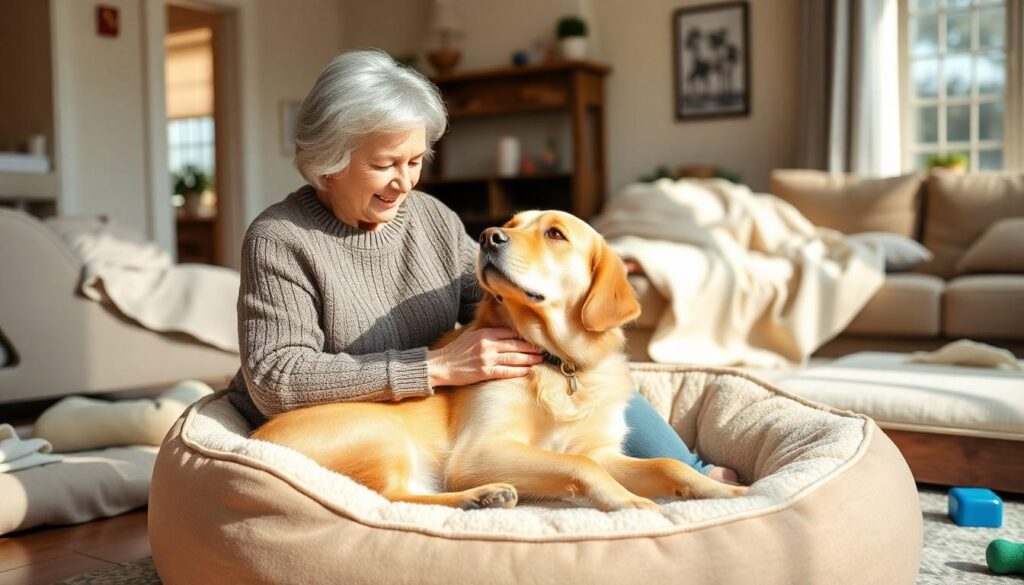
As pets age, they become wise companions with a sprinkle of sass. Senior pets bring a unique charm that can melt anyone’s heart, but they also require a little extra TLC. Navigating the world of senior pet care might feel like deciphering a secret code, but it’s easier than teaching an old dog new tricks—trust us!
Table of Contents
ToggleUnderstanding Senior Pet Care
Caring for senior pets involves addressing their unique needs. Such care enhances their quality of life and ensures their comfort as they age.
Importance of Specialized Care
Veterinarians recommend tailored care for senior pets. Regular check-ups catch health issues early, allowing prompt treatment. Weight management plays a crucial role; obesity can lead to further complications. Nutrition requires a focus on high-quality food with appropriate levels of vitamins and minerals. Physical activity also remains important; exercise keeps joints flexible and muscles strong. Mental stimulation through interactive toys supports cognitive health.
Common Aging Issues in Pets
Senior pets face various health challenges. Arthritis frequently affects mobility, making it difficult for them to move comfortably. Dental issues commonly arise, leading to pain and potential infection if untreated. Vision and hearing loss can also occur, impacting their perception of the environment. Kidney and heart diseases should not be overlooked; these conditions often arise in older animals. Identifying these issues early allows for better management and enhances their overall well-being.
Best Practices for Senior Pet Care
Caring for senior pets involves attention to their unique needs. Implementing best practices ensures their comfort and overall well-being.
Nutritional Needs
Older pets require a balanced diet tailored to their specific health issues. High-quality protein sources aid in maintaining muscle mass, while lower calories prevent obesity. Specialized senior pet food contains nutrients that support joint health, such as glucosamine and omega-3 fatty acids. Consulting a veterinarian for dietary recommendations is essential. Regular meal schedules promote digestive health and stability in energy levels throughout the day.
Exercise and Mobility
Maintaining an active lifestyle remains crucial for senior pets. Gentle exercises like short walks and playtime keep their joints flexible. Adapting activities to individual mobility levels ensures engagement without overexertion. Regular movement enhances circulation and prevents stiffness. Incorporating mental stimulation, such as puzzle toys, keeps their minds sharp. Observing changes in behavior or mobility encourages proactive adjustments to exercise routines.
Veterinary Visits for Seniors
Regular veterinary visits play a critical role in maintaining seniors’ health. Catching health issues early leads to more effective management.
Recommended Health Checkups
Routine checkups should occur at least twice a year for senior pets. During these visits, veterinarians assess weight, dental health, and overall wellness. Adjustments to vaccinations may be necessary based on age and health risks. Blood work helps monitor organ function and detect underlying issues. Regular checkups establish a vital baseline for identifying changes over time. Pets experiencing any signs of discomfort or abnormal behavior need immediate veterinary attention.
Common Tests and Treatments
Various tests ensure effective health monitoring for senior pets. Blood tests evaluate organ function and detect diseases like diabetes or kidney issues. Urinalysis assesses hydration levels and kidney health. X-rays may identify arthritis and other joint problems, enabling better treatment plans. Based on findings, treatments can range from medication to dietary adjustments. Pain management strategies are essential for improving daily comfort. Prevention remains key in maintaining quality of life for aging pets.
Creating a Comfortable Home Environment
Creating a comfortable home for senior pets involves careful consideration of their needs. Prioritizing safety and accessibility enhances their quality of life significantly.
Safe Living Spaces
Creating a safe living space ensures senior pets navigate without risk. Clear pathways free from clutter help prevent accidents. Soft bedding offers support for aging joints, promoting rest and recovery. Keeping essential items within reach saves your pet from unnecessary strain. Using non-slip rugs can help prevent slips and falls, fostering stability. Consider barriers on stairs to restrict access, minimizing injury while providing comfort in familiar spaces.
Adaptations for Mobility Issues
Making adaptations for mobility issues directly benefits senior pets. Installing ramps enables easier access to elevated areas. Utilizing pet stairs supports independent movement without strain. Providing orthopedic beds alleviates pressure on joints, helping with comfort during rest. Adjusting food and water bowls to an appropriate height prevents bending. Adding litter boxes with lower sides simplifies usage and encourages continued independence.
Emotional Wellbeing in Senior Pets
Emotional wellbeing significantly impacts the quality of life for senior pets. Engaging in activities that promote mental stimulation and social interaction helps maintain their happiness and health.
Mental Stimulation Activities
Incorporating mental stimulation activities into a senior pet’s routine can sharpen their cognitive function. Puzzle toys encourage problem-solving, sparking their curiosity. Short training sessions provide mental challenges, reinforcing positive behavior and providing a sense of accomplishment. Additionally, interactive games involving scent work can help stimulate their minds while encouraging physical activity. Regularly introducing new activities keeps routines fresh and engaging, enhancing their emotional state.
Social Interaction Considerations
Quality social interaction plays a crucial role in the emotional health of senior pets. Regular interaction with family members fosters feelings of security and love. Scheduling playdates with other friendly pets can provide valuable socialization, helping them maintain a sense of companionship. Creating a calming environment during interactions minimizes stress and encourages relaxation. Monitoring their responses during social engagements enables adjustments to enhance comfort and reduce anxiety, ensuring they thrive emotionally.
Caring for senior pets is a rewarding journey filled with love and companionship. By understanding their unique needs and making necessary adjustments, owners can significantly enhance the quality of life for their aging companions. Regular veterinary visits and tailored nutrition play crucial roles in managing health issues effectively.
Creating a safe and comfortable home environment also contributes to their overall well-being. Engaging in activities that stimulate their minds and promote social interaction is equally important. With the right approach, senior pets can continue to bring joy and warmth to their families for many years. Embracing this phase of their lives allows for a deeper bond and a fulfilling experience for both pets and their owners.


