
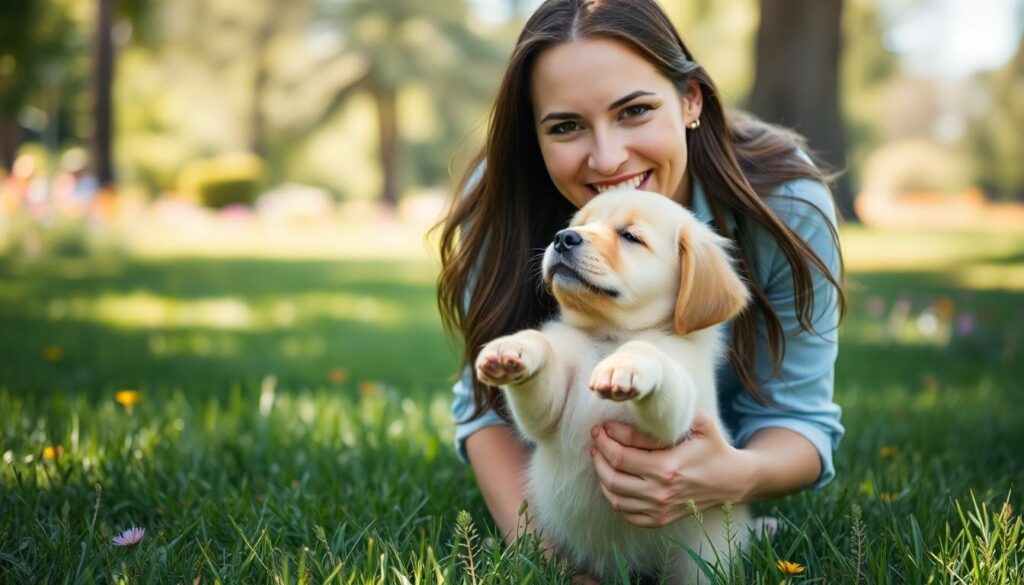
Capturing the perfect shot of a pet can feel like trying to photograph a tornado—exciting but chaotic! Whether it’s a playful puppy or a sassy cat, pets have a knack for turning every moment into a blur of fur and mischief. But don’t worry, with the right tips, anyone can become a pet photography pro, even if it means dodging a flying chew toy or two.
Essential Pet Photography Tips
Capturing fantastic pet photos requires technique and patience. Use natural light whenever possible; it enhances colors and minimizes shadows. Position pets near windows or outdoors for optimal lighting.
Focus on the eyes; they convey emotions and personality. Sharp, clear eyes can make or break a photograph. Get down to the pet’s level to create an intimate perspective. This angle captures their nuances beautifully.
Utilize treats or toys to grab their attention. Engaging pets with their favorite items generates natural expressions and poses. Timing plays a crucial role; anticipate moments of excitement or stillness for the best shots.
Experiment with different angles and backgrounds. A contrasting background can make a pet stand out, while a clutter-free setting keeps the focus on them. Taking multiple shots increases the chances of capturing that perfect moment.
Incorporate action shots for dynamic images. Pets in motion display energy and joy that static poses may miss. Continuous shooting mode can capture fast movements effectively.
Edit photos to enhance quality, but keep it natural. Basic adjustments like cropping, contrast, and brightness can improve the visual appeal.
Finally, ensure a comfortable environment for pets during the session. Stress-free pets yield better results. By using these strategies, photographers can gain impressive pet portraits, reflecting the unique character of each animal.
Preparing for the Shoot
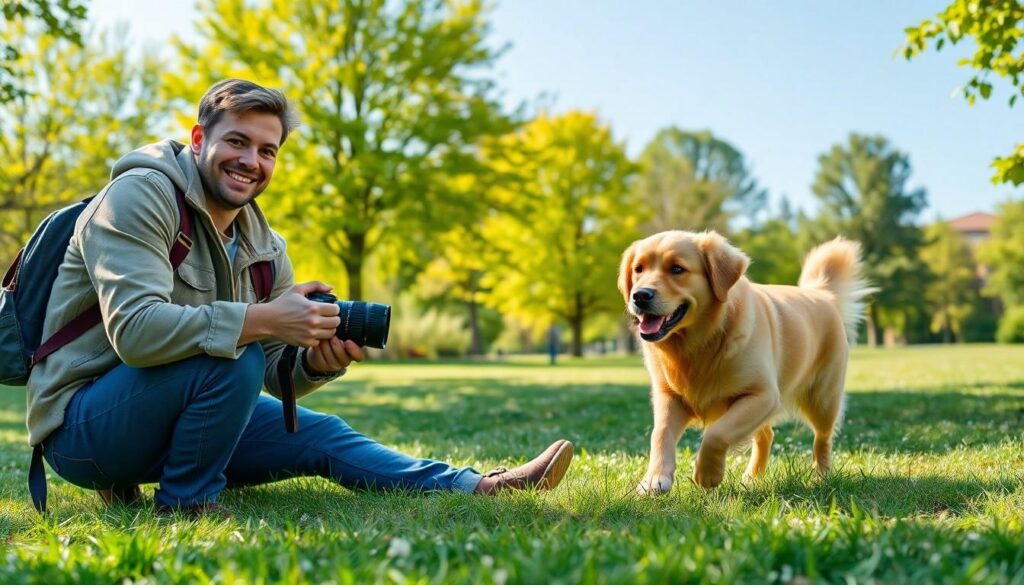
Preparation plays a crucial role in pet photography. A well-organized approach boosts the chances of capturing stunning images.
Choosing the Right Time
Timing impacts the quality of pet photographs. Optimal times often occur during early mornings or late afternoons, when natural light is soft and warm. Pets tend to be more active and playful during these periods, leading to vibrant and engaging behavior. Observe the pet’s daily routine to identify peak energy times. Scheduling the shoot around these key moments enhances the likelihood of capturing eye-catching visuals.
Location Considerations
Selecting the right location sets the stage for impressive photos. Indoor settings can provide controlled environments, while outdoor spots offer diverse backdrops. Choosing a familiar space for pets reduces anxiety, allowing them to relax and express their true personalities. Examine potential locations for interesting textures and colors that complement the pet’s appearance. Avoid busy areas with distractions, as these can hinder focus and spontaneity during the shoot.
Camera Settings for Pet Photography
Selecting the right camera settings enhances pet photography quality. Key settings include exposure, focus, and composition techniques.
Understanding Exposure
Exposure controls the amount of light hitting the camera sensor. Using a fast shutter speed captures motion, as pets often move quickly. Aim for at least 1/500th of a second to freeze action. Adjust the aperture to f/2.8 or f/4 for a shallow depth of field, emphasizing the pet while blurring the background. Adjusting the ISO helps manage light sensitivity; higher ISO values work well in low light but may introduce noise. Stick to ISO 100-400 for bright conditions to maintain image clarity.
Focus and Composition Techniques
Focusing on the pet’s eyes creates connection and emotion in images. Utilize continuous autofocus mode for moving pets, ensuring sharp focus. Compose shots with the rule of thirds; position the pet off-center for visual interest. Incorporate leading lines to draw attention to the subject, maintaining viewers’ focus on the pet. Experiment with various angles, such as eye level or a low perspective, to capture unique images. Framing the subject with natural elements enhances composition, creating visually appealing photographs.
Engaging Your Pet for Better Shots
Capturing captivating pet photos requires effective engagement strategies. Two essential approaches include utilizing treats and toys and maintaining patience during the shoot.
Using Treats and Toys
Pets respond well to rewards during photography sessions. Offering treats can create positive associations with the camera. Use toys as well; they can excite pets and draw attention. Consider squeaky toys to elicit natural expressions. Position treats near the camera lens to guide the pet’s gaze. Keeping the experience enjoyable ensures spontaneous moments emerge. Employ varied approaches with different treats or toys to discover what excites the pet most.
Patience and Timing
Photography sessions demand a calm environment. Pets often need time to adjust and engage naturally. Observing their behavior helps identify optimal moments for capturing shots. Allow flexibility in timing; great pictures often occur spontaneously. Watch for signs of playfulness, such as a wagging tail or playful pounces. The best images frequently result from watching and waiting. Stay aware of the pet’s energy levels to seize those perfect expressions.
Post-Processing Tips
Post-processing plays a crucial role in enhancing pet photography. Effective edits can elevate captivating images to professional quality.
Basic Editing Techniques
Cropping is essential for improving composition. Adjusting brightness can reveal hidden details while increasing contrast adds depth. Utilizing photo editing software allows for precise adjustments like sharpening images. Noise reduction techniques assist in creating a smoother finish. Experimenting with various filters can provide unique styles and vibes. Careful attention to these basic techniques ensures well-rounded photos that accurately reflect a pet’s personality.
Enhancing Colors and Details
Vibrant colors can significantly improve pet photos. Boosting saturation brings a lively feel to the image. Modifying the vibrance is effective for natural, rich hues without overwhelming the scene. Adjusting the color balance ensures that whites appear true to life, preventing any unnatural tints. Increasing clarity enhances finer details, showcasing characteristics in fur and eyes. An effective approach involves focused adjustments, bringing attention to what truly makes each pet shine.
Mastering pet photography takes practice and patience but the rewards are worth the effort. By implementing these tips photographers can capture the essence of their furry friends in stunning images. Utilizing natural light and focusing on the pet’s eyes can create emotional connections that resonate with viewers.
Experimenting with angles and backgrounds adds depth while engaging pets with treats or toys brings out their playful side. With the right preparation and camera settings photographers can seize those fleeting moments that showcase each pet’s unique personality.
Finally post-processing techniques can elevate these images to a professional level ensuring that every shot tells a story. Embracing the chaos of pet photography leads to unforgettable memories and beautiful portraits that pet owners will cherish for years to come.


