
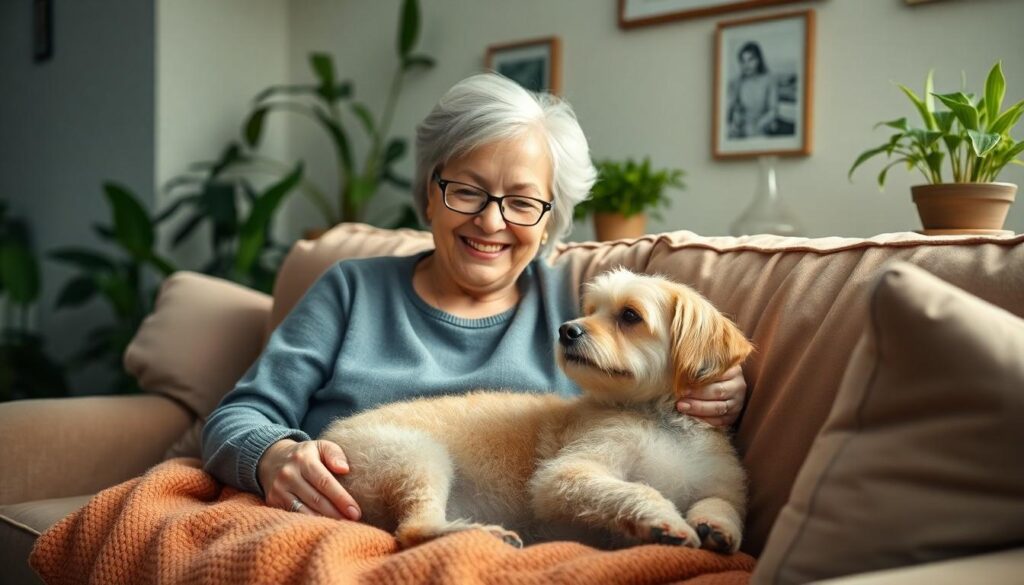
As pets age, they often become a bit like that quirky grandparent who insists on sharing stories from the “good old days” while forgetting where they left their glasses. Elder pet care isn’t just about keeping them comfortable; it’s about embracing their golden years with the same love and humor they’ve given us. After all, who wouldn’t want to spoil their furry friend with cozy blankets, tasty treats, and maybe a few extra belly rubs?
Table of Contents
ToggleUnderstanding Elder Pet Care
Caring for elder pets entails awareness of their unique needs and challenges. Pet owners receive valuable insights by understanding the complexities involved in older pet care.
Common Challenges in Elder Pet Care
Changes in health status frequently emerge as pets age. Mobility issues like arthritis may affect their ability to move around comfortably. Increased veterinary visits can become necessary due to chronic conditions such as diabetes or heart problems. Nutritional needs also shift, requiring dietary adjustments to maintain overall health. Furthermore, cognitive decline could lead to confusion or anxiety, necessitating additional attention. Owners face emotional challenges while adapting to these changes in their furry companions, which can strain both parties.
Signs Your Pet May Need Special Care
Recognizing early signs of aging is crucial for timely intervention. Decreased energy often manifests as pets spend more time resting. Weight loss or gain may indicate underlying health issues that require evaluation. Changes in appetite can signal dental problems or digestive concerns. Behavior alterations, including increased aggression or withdrawal, may point to discomfort or pain. Furthermore, bathroom accidents indoors might suggest a need for medical attention. Keeping an eye on these signs enables proactive care and enhances the quality of life for elder pets.
Essential Needs of Senior Pets
Caring for senior pets includes understanding their specific needs. Nutritional adjustments and exercise become key components in ensuring a happy, healthy life.
Nutrition Considerations
Dietary changes play an essential role for older pets. Senior pets benefit from high-quality food containing specific nutrients like omega-3 fatty acids, which support joint health. Lower calorie options help manage weight issues, reducing the risk of obesity-related health problems. Regular consultations with veterinarians help pet owners decide on the best diet. Supplements may also provide added vitamins and minerals, aiding in overall wellbeing. Cats require protein-rich diets, while dogs may need a balanced mix of fiber and proteins to support digestion.
Exercise and Mobility Needs
Regular exercise remains crucial for senior pets, addressing mobility issues effectively. Short, consistent walks enhance endurance and maintain muscle mass. Tailored activities, like gentle play, foster lasting mental stimulation. Simple adjustments around the home, such as pet ramps or non-slip mats, support physical mobility. Vets may recommend gentle stretching exercises to alleviate stiffness, keeping joints flexible. Monitoring signs of fatigue helps owners ensure their pets aren’t overexerted, adapting activities to suit individual energy levels. Maintaining an active lifestyle boosts quality of life while managing weight and promoting a healthy heart.
Health Concerns in Older Pets
Caring for older pets involves addressing various health concerns specific to their age. Understanding these health issues helps improve their quality of life.
Chronic Conditions
Chronic conditions often affect older pets. Arthritis commonly causes stiffness and pain, impacting mobility. Diabetes may lead to increased thirst and frequent urination. Heart disease can manifest as coughing and fatigue. Regular monitoring for these conditions ensures effective management. Treatments such as medication and dietary modifications can significantly enhance comfort. Recognizing symptoms early allows for timely intervention, preventing complications that could worsen health.
Regular Veterinary Check-Ups
Regular veterinary check-ups are crucial for senior pets. Annual examinations may no longer suffice; semi-annual visits are recommended. These visits help detect issues early, such as weight changes and dental problems. Blood tests evaluate organ function and overall health status. Vaccinations and parasite control remain important for older pets. Consulting with a veterinarian aids in creating personalized health plans that address specific needs. Comprehensive care during these appointments ensures pets maintain optimal wellbeing throughout their golden years.
Creating a Comfortable Environment
Creating a comfortable environment for senior pets enhances their quality of life. Various adjustments can make a significant difference in their daily experience.
Senior-Friendly Living Spaces
Senior pets benefit from spaces that cater to their needs. Make sure pathways are clear of obstacles to reduce the risk of falls. Non-slip rugs can provide stability, especially in areas where pets frequently walk. Designate quiet, low-traffic areas for older pets to rest without disturbances. Create accessible spots such as cozy corners or raised beds that allow for easy entry and exit. Consider keeping essential items like food and water bowls within reach to eliminate the need for excessive movement.
Bedding and Accessibility Solutions
Proper bedding enhances comfort for aging pets. Choose orthopedic beds that offer support for joints and pressure points. Memory foam options provide added comfort and help alleviate discomfort from arthritis. Place beds in familiar areas to encourage usage while maintaining their favorite spots. Use ramps or pet stairs to facilitate access to furniture or vehicles, reducing strain on their joints. Investing in adjustable or heated beds can also help maintain thermal comfort during colder months. Ensure that all sleep areas are clean, as this promotes a healthy and comforting environment.
Caring for elder pets is a rewarding journey that requires attention and compassion. By recognizing their unique needs and making necessary adjustments, pet owners can greatly enhance their quality of life. Providing proper nutrition, regular veterinary care, and a comfortable living environment plays a crucial role in ensuring their happiness and wellbeing.
Celebrating the golden years of older pets not only strengthens the bond between them and their owners but also creates lasting memories. With love and thoughtful care, these cherished companions can continue to bring joy and warmth into their owners’ lives.


